



Day 1: Arrival
Arrive in Baku and transfer to the hotel.
Day 2: Baku – Gobustan – Baku
After an hour-long drive from modern Baku, we will find ourselves in an ancient rock-carved city. Gobustan State Historical-Ethnographic Reserve is one of the sights of the country today.
Gobustan rock painting is included in the list of UNESCO World Heritage Sites.
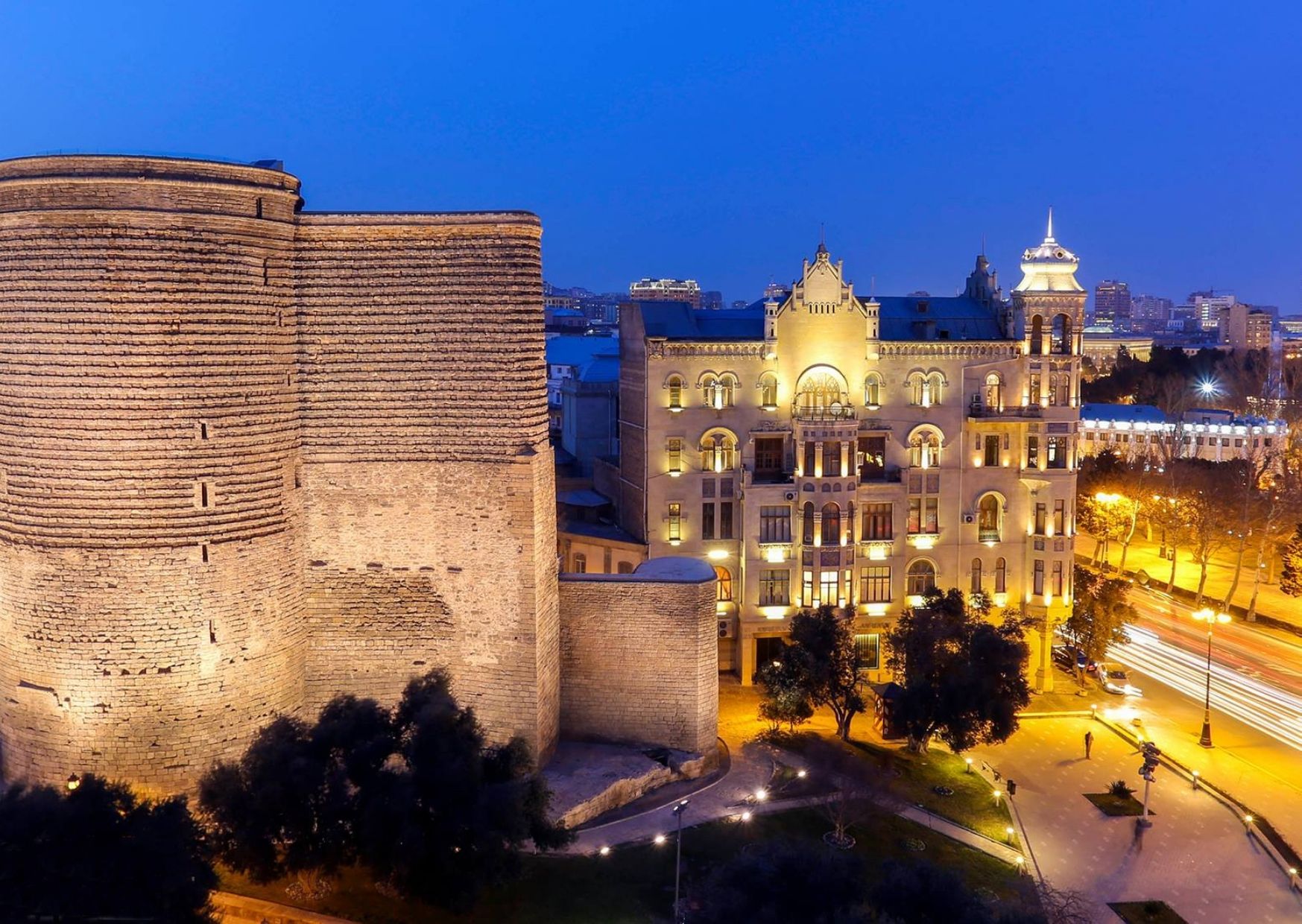
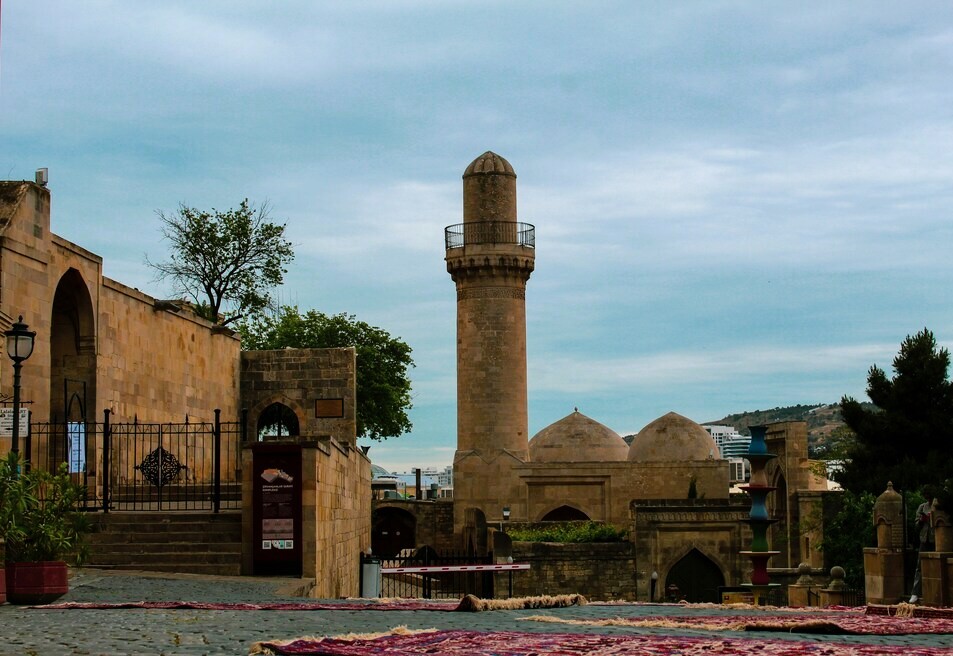
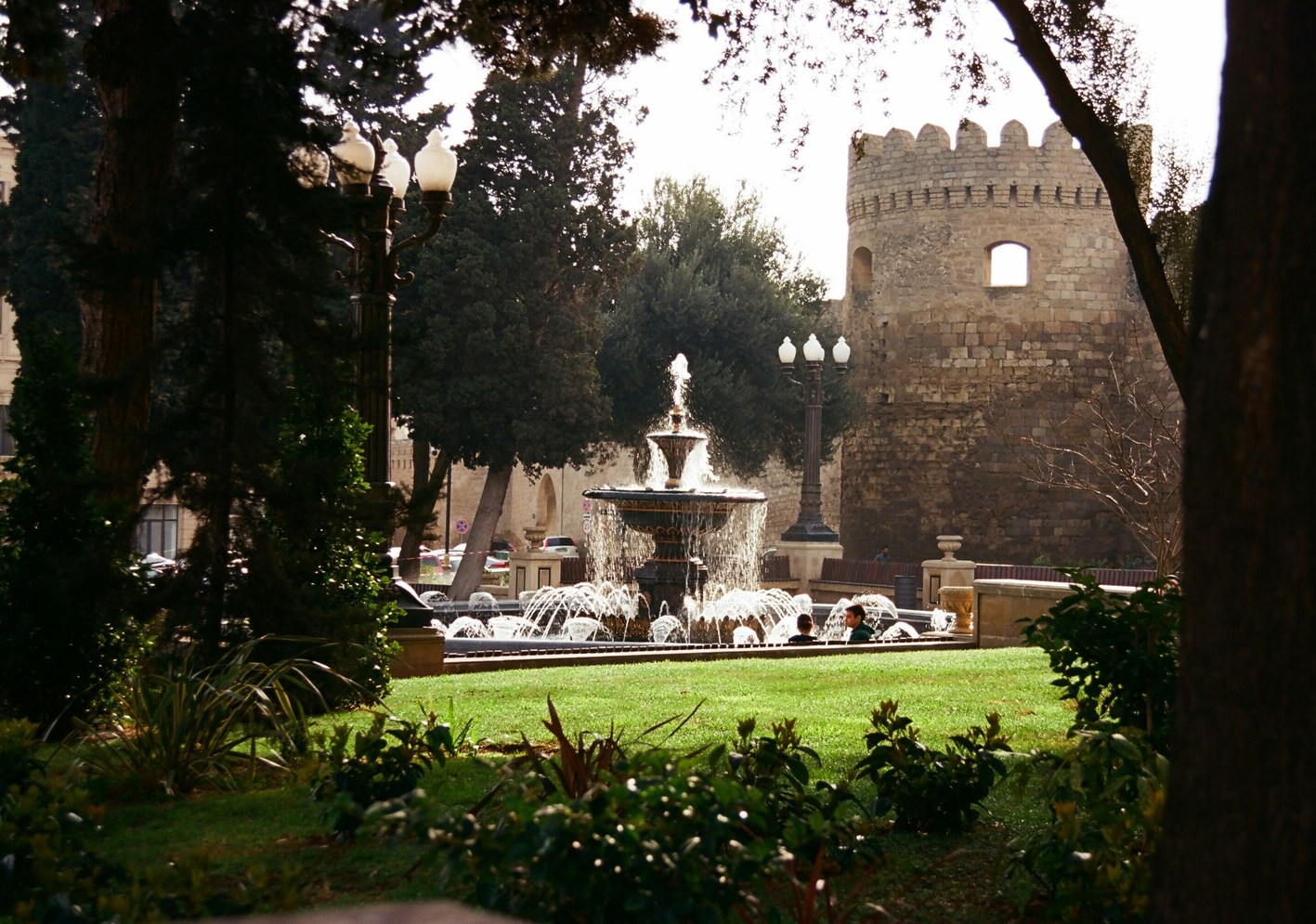
In the afternoon we will give a tour of Baku. We walk to the historical center of old Baku, where the important sights of the city are gathered: Maiden Tower, the Palace of the Shirvanshahs, the Shemakha Gate, the Caravanserai.
The oldest part of Baku, which includes the Shirvanshah Palace and Maidan Tower, has been inscribed on the UNESCO World Heritage List.
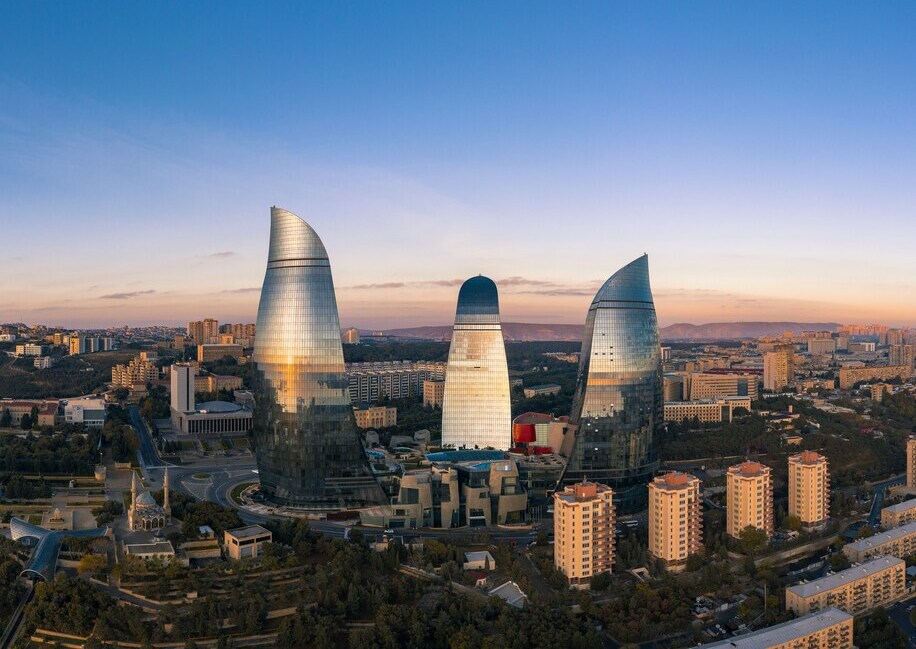
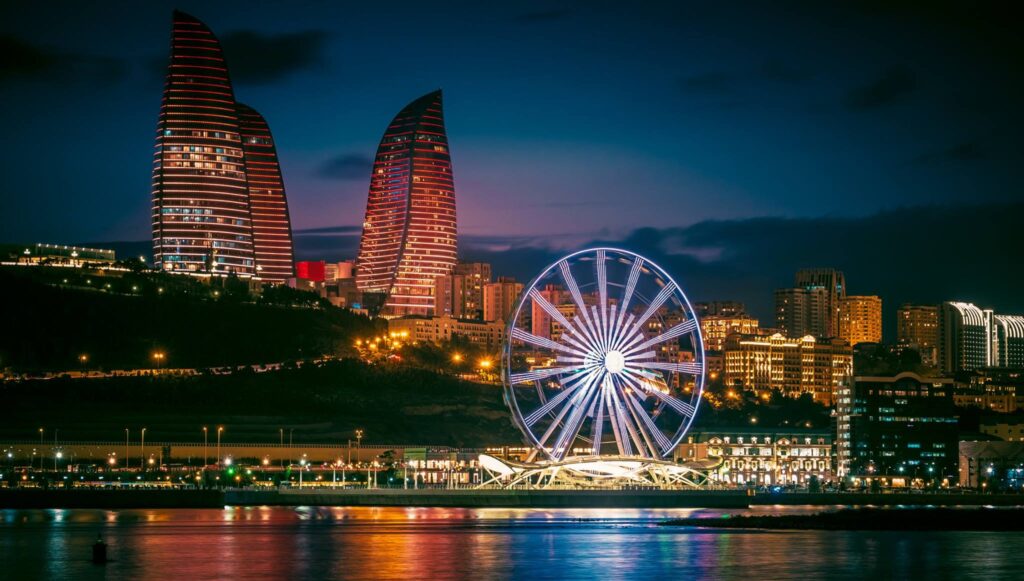
At the end, we stop at the three-flame tower, which has become a symbol of modern Baku.
After the study tour, we can spend a pleasant evening on the boulevard of Baku or take a walk on the busiest Nizami Street in the city, which is full of souvenir shops and cafes
Day 3: Baku – Shemakha – Sheki
In the morning we leave Baku and head to Shemakha. Shemakha is one of the oldest cities in Azerbaijan.
Here we will visit the famous Juma Mosque. This mosque impresses the visitor with its size.
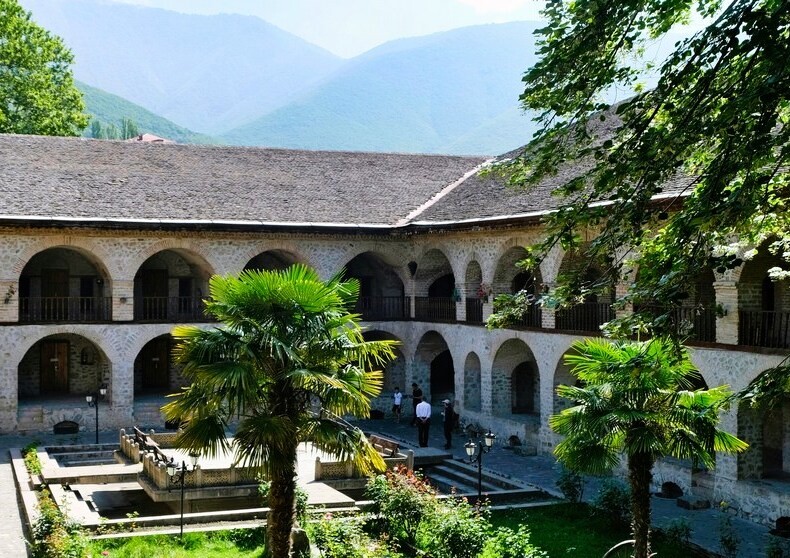
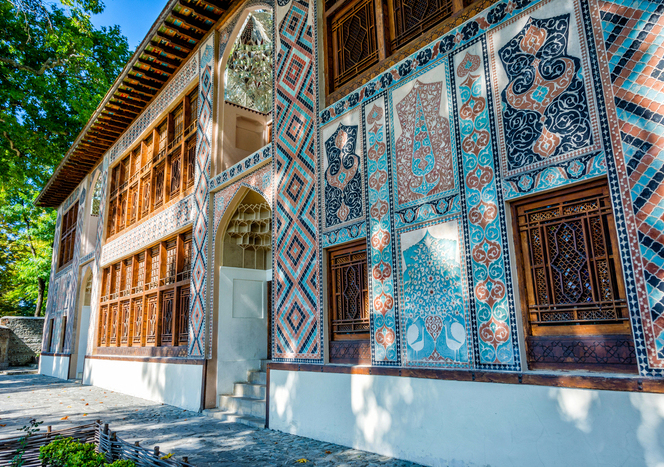
The afternoon is dedicated to one of the oldest cities in the country – Sheki. The main attraction of the city is the Khan Palace, which was built in the 18th century.
The historic center of Sheki and Khan Palace has been inscribed on the UNESCO World Heritage List.
Day 4: Sheki – Telavi
Today, we cross the border from Azerbaijan into Georgia and continue our journey into the beautiful Kakheti region, famous for its wine, traditions and warm hospitality. After arriving in Kvareli, enjoy a homemade lunch with a local family, where you will experience authentic Georgian hospitality and traditional regional dishes in a welcoming home atmosphere.
Later, continue to a small village to visit a local winery, learn about Georgia’s ancient winemaking traditions and enjoy a tasting of locally produced wines.
Pleasantly drenched in wine, we continue our journey to the historic city of Telavi. At the end of the day, we take a walk through the central streets of the city, which have recently been restored.
Day 5: Telavi – Sighnaghi – David Gareja – Tbilisi
Today, we travel through the scenic landscapes of Kakheti, beginning with a visit to the charming hilltop town of Sighnaghi, known for its cobblestone streets, colorful balconies and beautiful views over the Alazani Valley.
In the afternoon, visit the semi-desert landscapes of Eastern Georgia to explore the remarkable David Gareja monastery complex, founded in the 6th century and carved into the rocky hills along the border region.
After a day filled with culture, history and local experiences, arrive in Tbilisi.
Day 6: Tbilisi
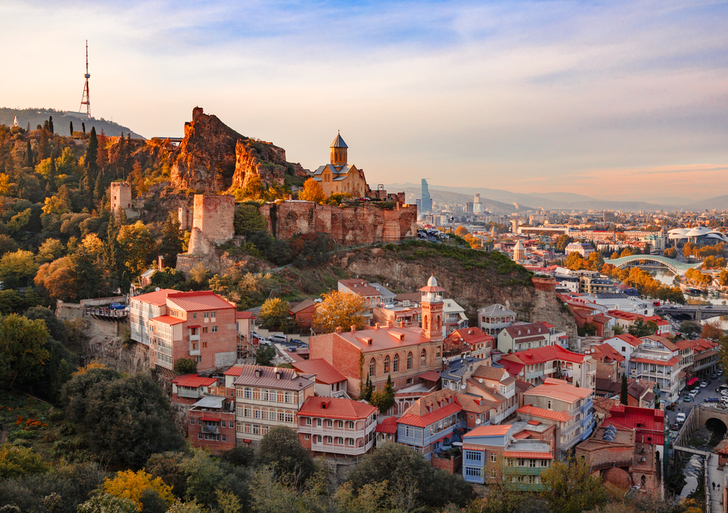
After the breakfast, we start our Tbilisi sightseeing tour to get acquainted with the city. Walking through the historical part of the city and enjoying the unique combination of cultures. Meandering through the narrow streets of the city we will come across various religious buildings: Churches, Synagogues, Mosques, Wooden houses built in the 19th century with colorful balconies, Sulphur baths, the Narikala fortress.
Next, we visit the Georgian National Museum, where a great many intricate Georgian treasures are preserved. To finish up this introduction to the city we walk along the Rustaveli Avenue, which is the main central boulevard.
The rest of the day is left for exploring Tbilisi further, tasting wine in one of the many wine-bars, and getting acquainted with Georgian cuisine in one of the many great restaurants in the city center.
Day 7: Tbilisi – Mtskheta – Stepantsminda
Today we leave Tbilisi and move north. On the way, we visit the old capital of Georgia, Mtskheta.
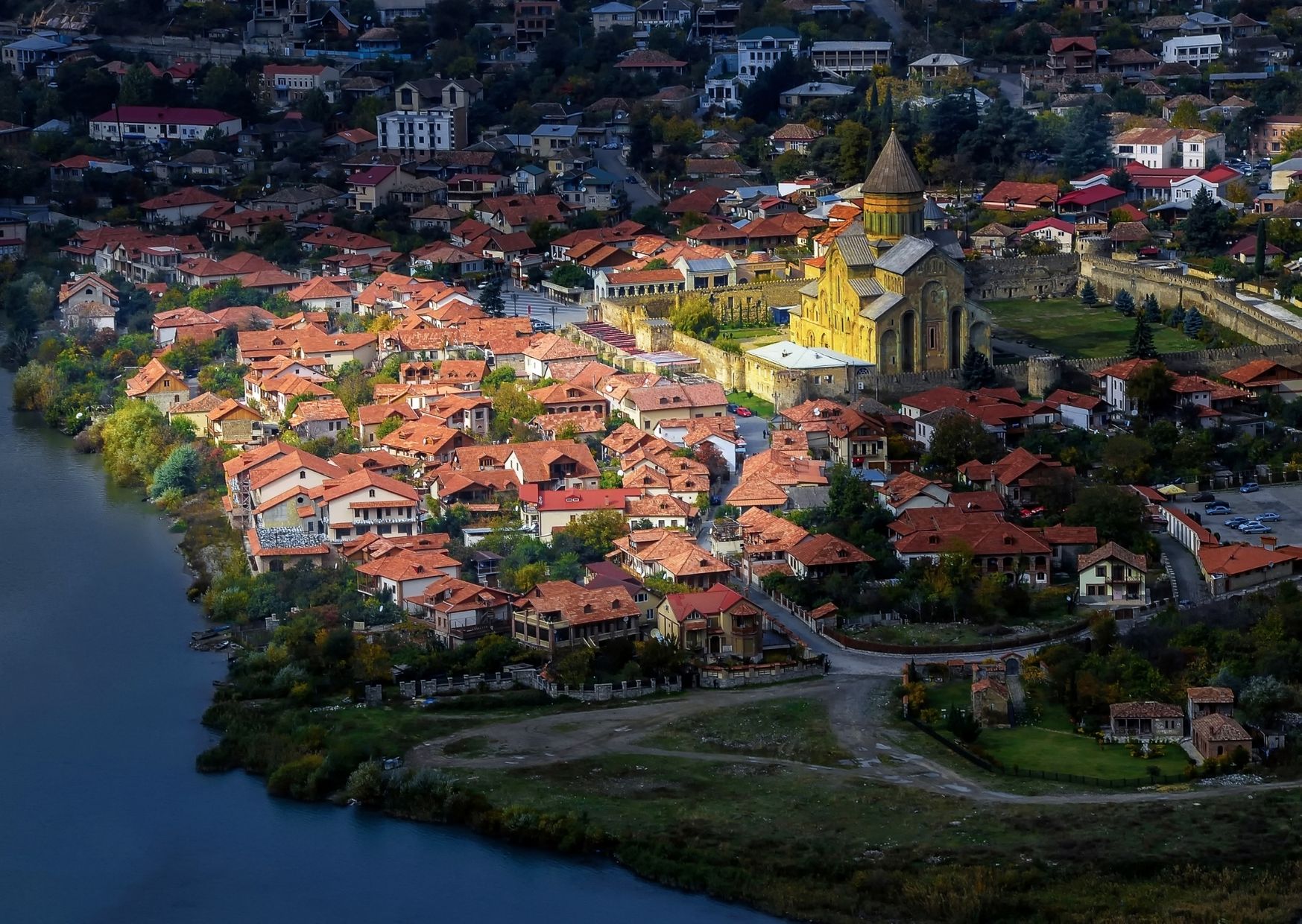
The historical monuments of Mtskheta are distinguished examples of Georgian architecture of the medieval era. They emphasise the high level of culture and religious figures of the ancient Georgian kingdom. In Mtskheta we will visit the UNESCO World Heritage Sites: Jvari Monastery built in the 6th century and the beautiful Svetitskhoveli Cathedral.
The Jvari Monastery offers an amazing panoramic view of the city at the confluence of the Mtkvari and Aragvi rivers. Later, we will visit Svetitskhoveli Cathedral, which is the largest historical building in Georgia among the survivors and leaves a great impression on the visitor.
On the way, we stop at the colorful Zhinvali Reservoir and visit the beautiful Ananuri complex. While traveling in the Caucasus Mountains, we will enjoy the beautiful panoramic views of the region. During the trip, we can see flocks of sheep on green slopes. Overnight in Stepantsminda.
Day 8: Stepantsminda – Gergeti Trinity Church – Uplistsikhe – Gori
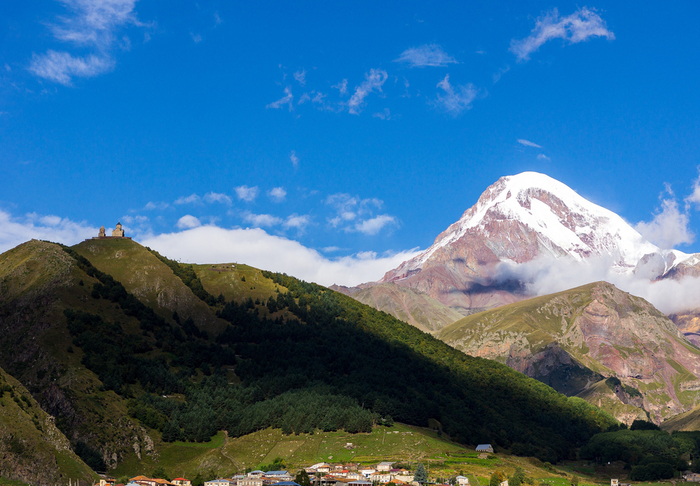
In the morning, we Drive up to the Gergeti trinity church. The view is amazingly large and impressive. Today, Gergeti Trinity is the most popular tourist destination in Georgia. With its special location and centuries-old history, it really represents the face of Georgia. The green slopes decorated with mountain flowers and the Great Caucasus leave an unforgettable impression on the visitor. The snow-covered glacier gives a special charm to this place.
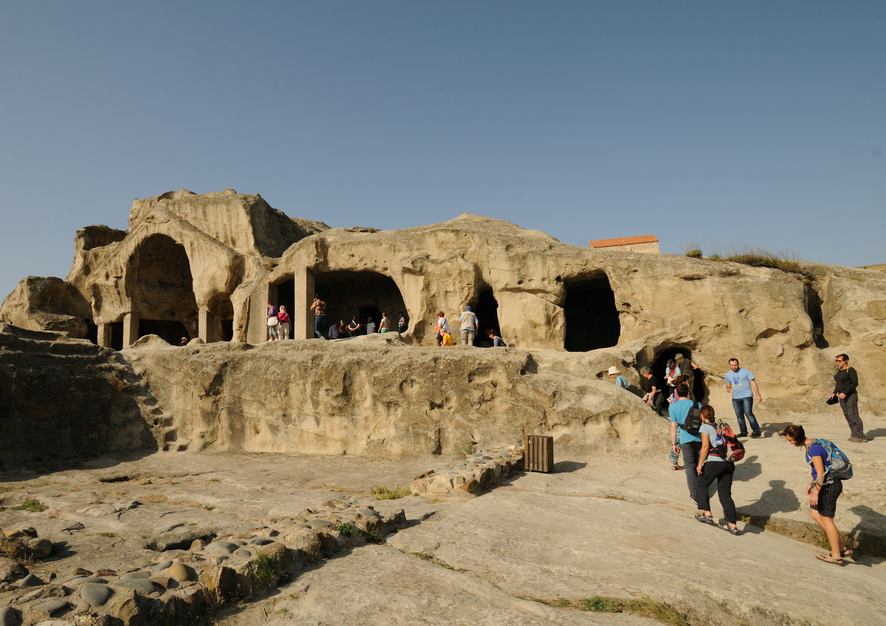
Afterwards, we head to Uplistsikhe. Uplistsikhe was connected with the Silk Road, which passed here. It was one of the oldest settlements and urban centers in the Caucasus. In the ancient city, there is a three-nave Byzantine-style basilica named after St. George, sacrificial amphorae outside the church, Queen Tamar Hall, a secret tunnel that leads to the river Mtkvari.
The once glorious castle-town is now an open-air museum and deservedly considered one of the most important tourist monuments in the country. Afterwards, we head to Gori for the night.
Day 9: Gori – Borjomi – Akhaltsikhe
After breakfast, we will visit the Stalin Museum in Gori. Few people know that the leader of the Soviet Union, Joseph Stalin, was born in Gori.
The museum complex includes the memorial house where Stalin was born and spent his childhood, the exhibition building, and the private carriage with which he traveled to Tehran, Yalta and Potsdam.
Later visit Borjomi, which is one of Georgia’s most famous resort towns, renowned for its natural mineral springs, fresh mountain air and beautiful forested landscapes. Located within the Borjomi Gorge, the town has long been a popular destination for relaxation and wellness. Visitors can stroll through Borjomi Central Park, taste the legendary mineral water directly from the spring and enjoy the peaceful atmosphere surrounded by nature and the Lesser Caucasus Mountains.
We continue our journey to Akhaltsikhe, which is the administrative center of the region. During the trip, we will see the Khertvisi fortress. Let’s take a photo of this medieval defensive structure. After arriving in Akhaltsikhe, we visit one of the most distinguished monuments in the region, Rabat Fortress.
It was the most important defensive structure, its walls remember many difficult battles. This medieval fortress complex is currently being rehabilitated. The modern part of the restored Rabat Fortress is very impressive. The first day of the trip to Georgia ends in Akhaltsikhe.
Overnight in Akhaltsikhe.
Day 10: Akhaltsikhe – Vardzia – Gyumri
In the morning, we visit the Vardzia Monastery Complex, which is the largest rock-cut city in Georgia and can be easily seen from afar.
The monument of Georgian artistic culture of the twelfth-thirteenth century is located in thirteen tiers. The Church of the Assumption, refectories, sanctuaries, tunnels, a large number of cellars, and amphorae. Today, Vardzia is a historical-architectural museum reserve and one of the most important tourist attractions.
After visiting Vardzia, we head to the border with Armenia and overnight in the second largest city in the country, Gyumri.
Day 11: Gyumri – Echmiadzin – Yerevan
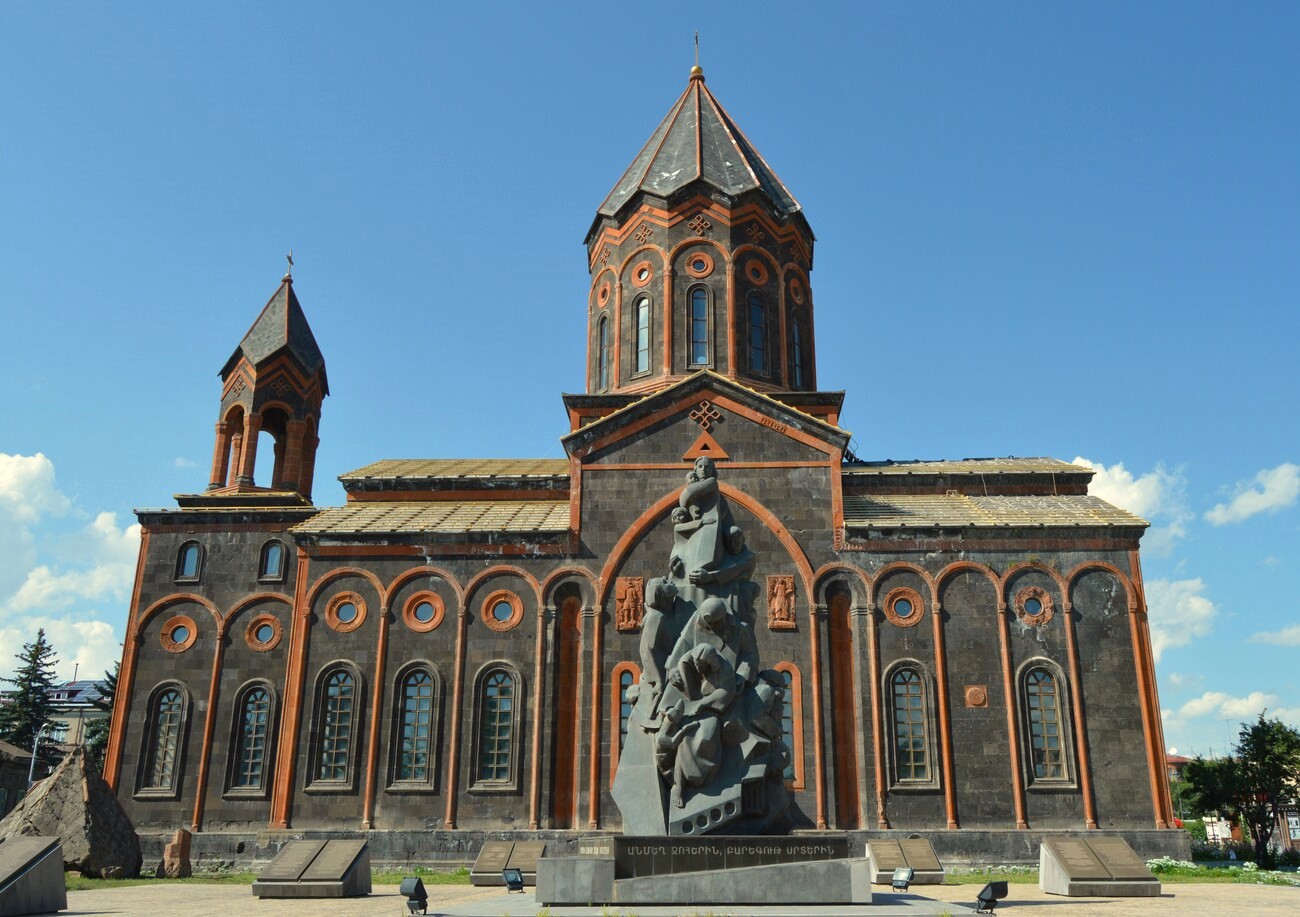
We start our journey in Amrenia from Gyumri. In the morning we will drive to the town of Vagharshapat near Yerevan, formerly called Echmiadzin and the old capital of Armenia. Today this city is the religious centre of the country.
We will see the Echmiadzin complex. The monastery complex includes the Echmiadzin Cathedral, the Hripsime Church, and the Gayane Church. The complex also includes a museum with an interesting collection of medieval decorative art.
Built-in the 4th century, this ancient complex is included in the list of UNESCO World Heritage Sites. In the afternoon we will leave for Gyumri, which is the second-largest city in Armenia.
Afterwards, head to the capital of the country, Yerevan.
Day 12: Yerevan – Khor Virap – Yerevan
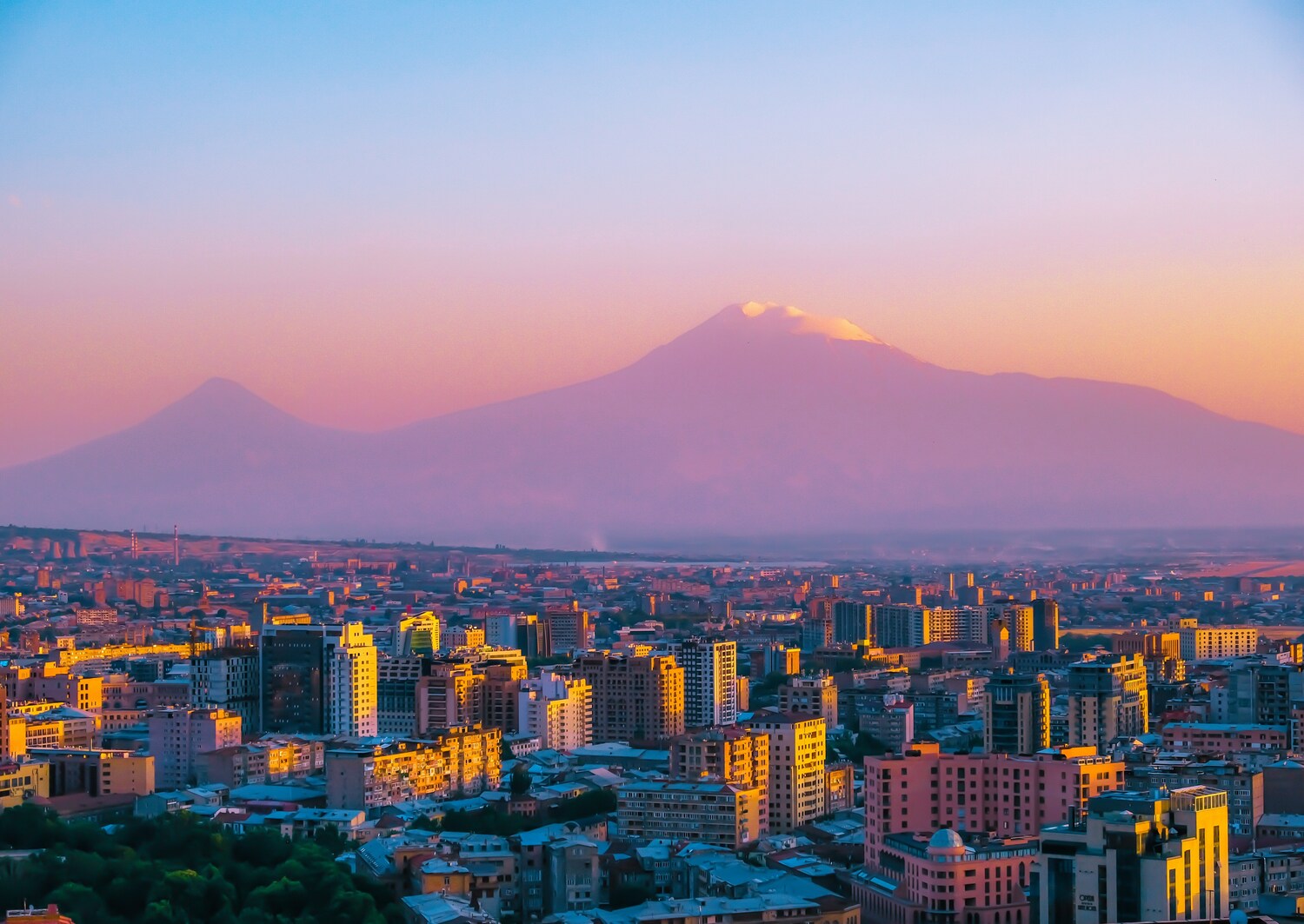
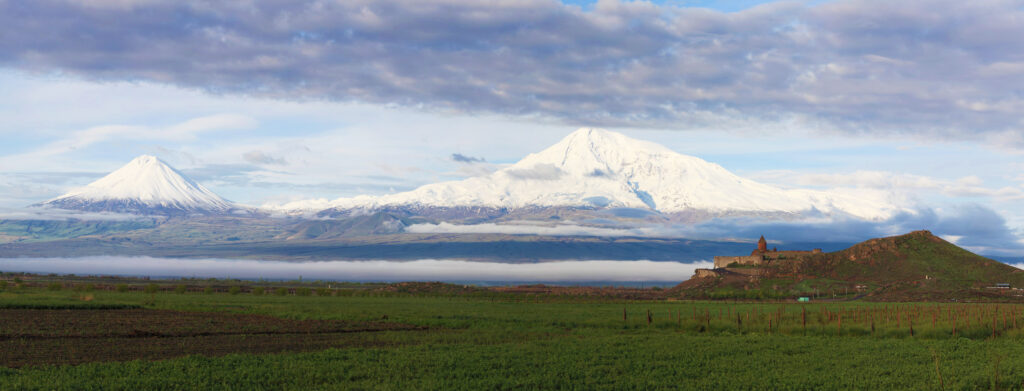
In the first half of the day, we visit Khor-Virap Monastery, which is an hour’s drive from Yerevan. Khor-Virap is the nearest place near the glorious Biblical Ararat. Ararat is a sacred mountain, a place of salvation for mankind, where Christian pilgrims from all over the world regularly visit.
We also stop for a photo of a special shot of the fusion of Biblical Ararat and the ancient monastery. Then, in the afternoon, we will return to Yerevan and devote ourselves to the important sights of the capital. We will start touring Yerevan at the Cascade.
This is a grand staircase in Yerevan. In addition to the cascading exterior steps, there are several levels on which fountains and statues are placed. The staircase helps pedestrians to see central Yerevan and Mount Ararat. We also stop by at the Yerevan Opera and Ballet Theater, the Soviet monument “Mother of Armenia”.
Day 13: Yerevan – Garni – Geghard – Yerevan
Early in the morning arrive in Yerevan, meet with the guide and transfer for the hotel. After breakfast, we start the cognitive day and get acquainted with the famous sights of Armenia.
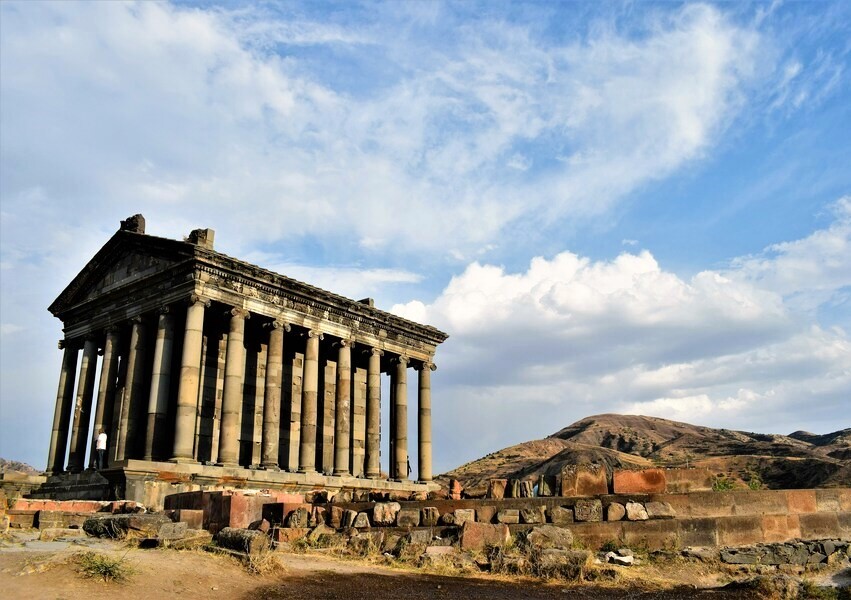
In the morning we take the road to the village of Garni. After a short drive, we find ourselves in a village built on a rocky promontory. We visit the temple of Garni, which dates back to the first century AD. The Garni Temple, built of large basalt stones, is the only pagan temple in Armenia.
The temple was rebuilt from ruins during the Soviet period. Then we visit Geghard Monastery. There are large rocks around the monastery, which is why it is partly carved into the rock. Founded in the 4th century, the Geghard Monastery is a UNESCO World Heritage Site.
In the afternoon we will return to Yerevan. We may spend a free evening in the centre of the city, near Republic Square. Republic Square is the largest square in Yerevan, surrounded by various government buildings.
Here we will find many interesting restaurants where we can taste traditional dishes. Late in the evening, we can attend the Fountain Show, which is held every evening at Republic Square.
Day 14: Departure
Transfer from Yerevan to the airport.
An impression of this tour