
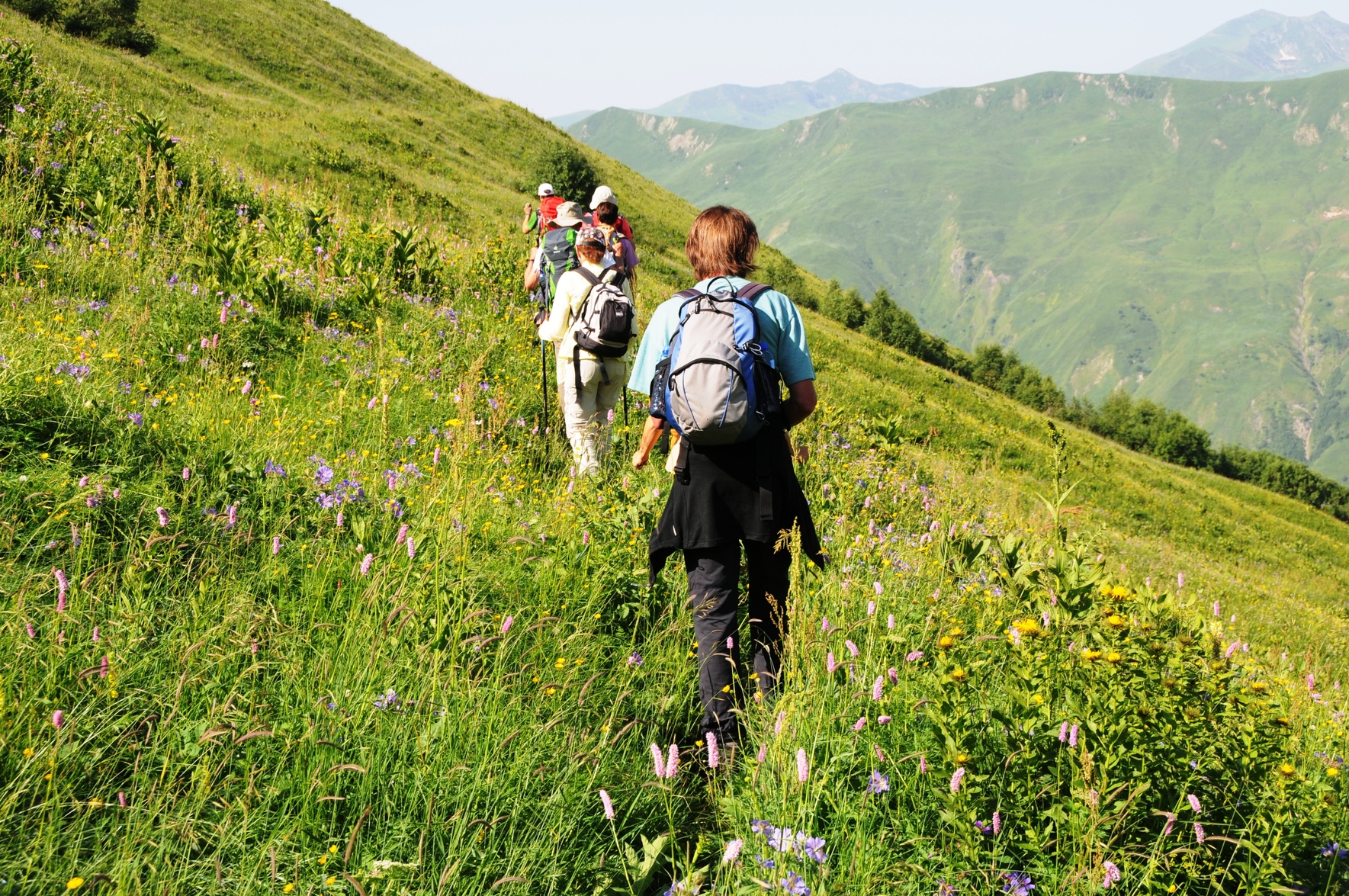
Since Georgia is located at the foot of the majestic Greater Caucasus Mountains, it is a perfect destination for trekking and outdoor adventure. The country offers a wide range of hiking trails suitable for both beginners and experienced hikers. From peaceful valleys to high mountain paths, Georgia is full of natural beauty and adventure. Trekking here means fresh mountain air, stunning landscapes and unforgettable views of the Caucasus peaks.
Are you seeking adventure travel?
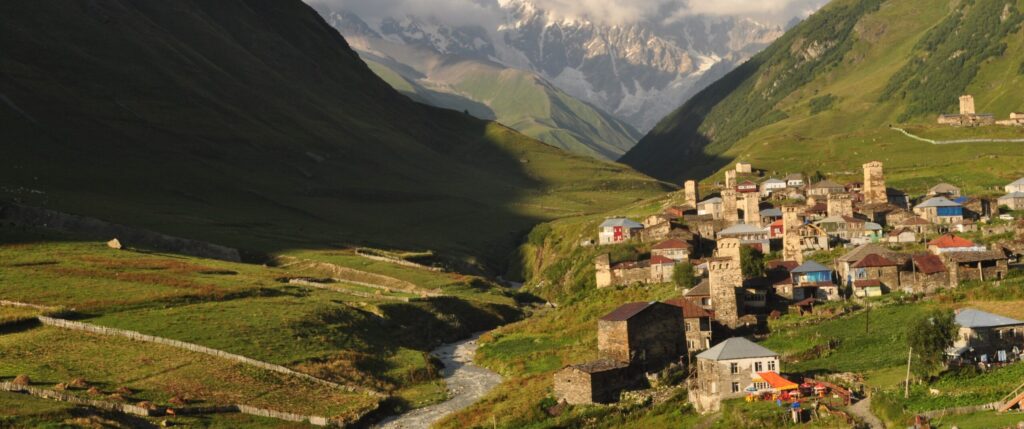
Hike in the Mountains of Svaneti
Trekking lovers unearthly paradise – Svaneti. Amazing views, deep valleys, the great Caucasus with glorious peaks covered with eternal snow, fast mountain rivers, and beautiful waterfalls, all together make Svaneti an ideal place for adventure travelers.
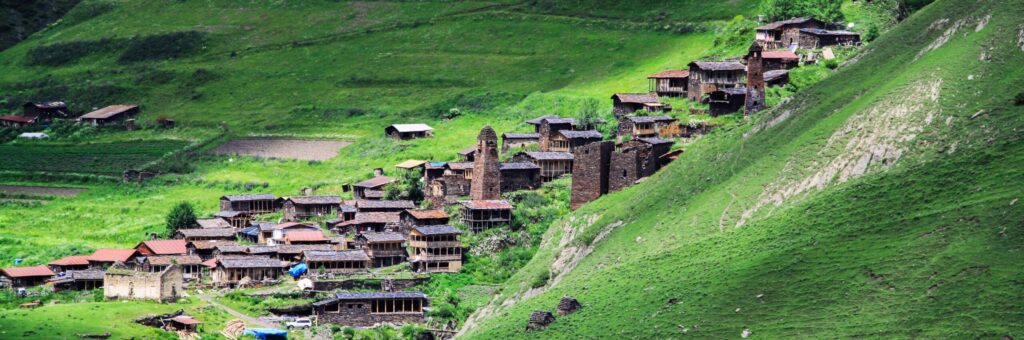
Trekking in the Nature of Tusheti
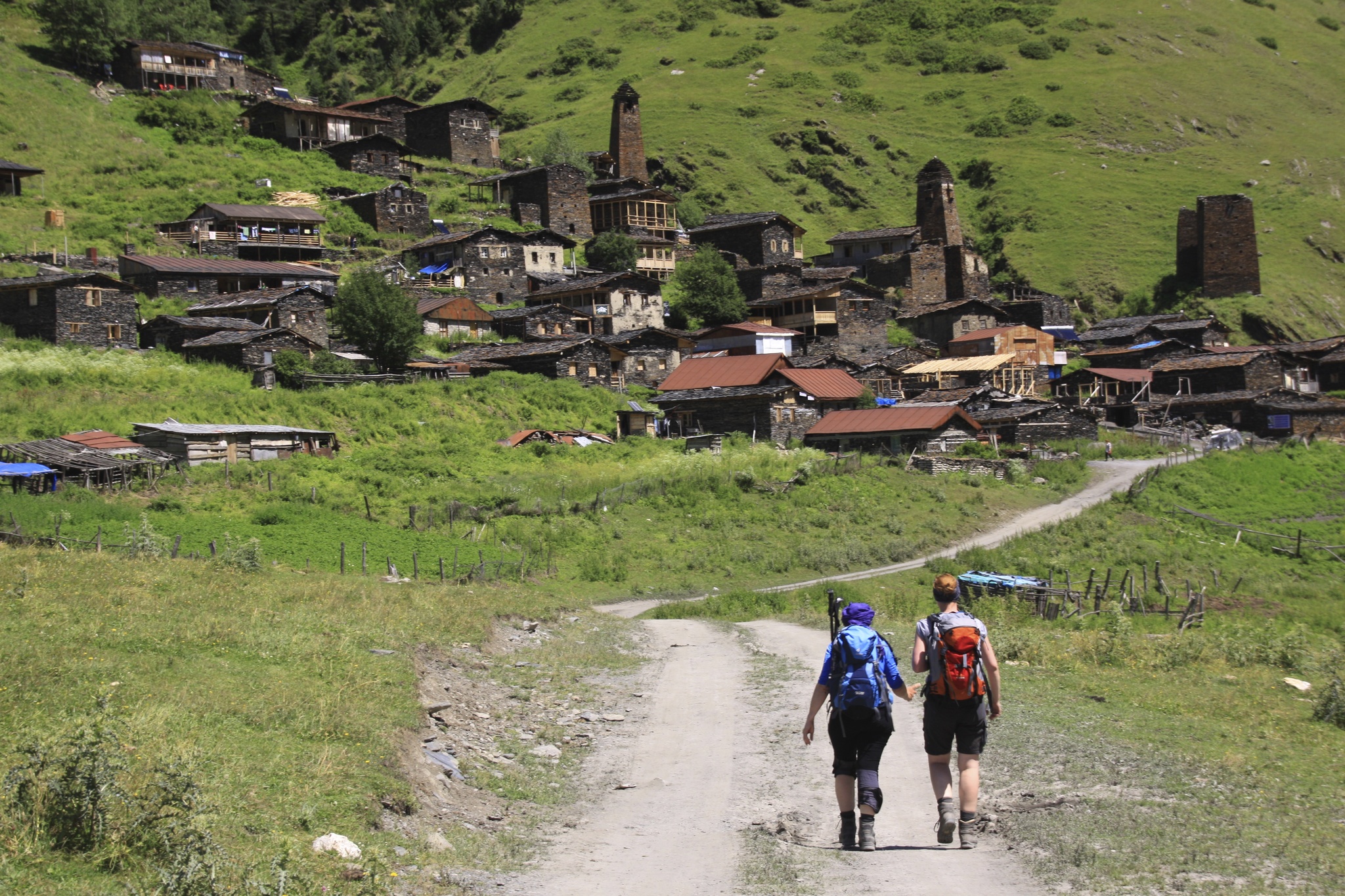
Explore Tusheti a pristine, remote region tucked in the mountains of northeastern Georgia. Trekking in stunning alpine meadows, hike to medieval villages, walk near the ruins of fortresses, and snowy peaks, and enjoy unspoiled Caucasus mountains.

Trekking in the Valleys of Kazbegi
Discover Kazbegi’s is a real heaven for hiking seekers. Trekking in the evergreen snow-capped great Caucasus, majestic glaciers, and walking through narrow valleys, waterfalls, and green slopes, that’s what attract wildlife adventurers in the Kazbegi region.
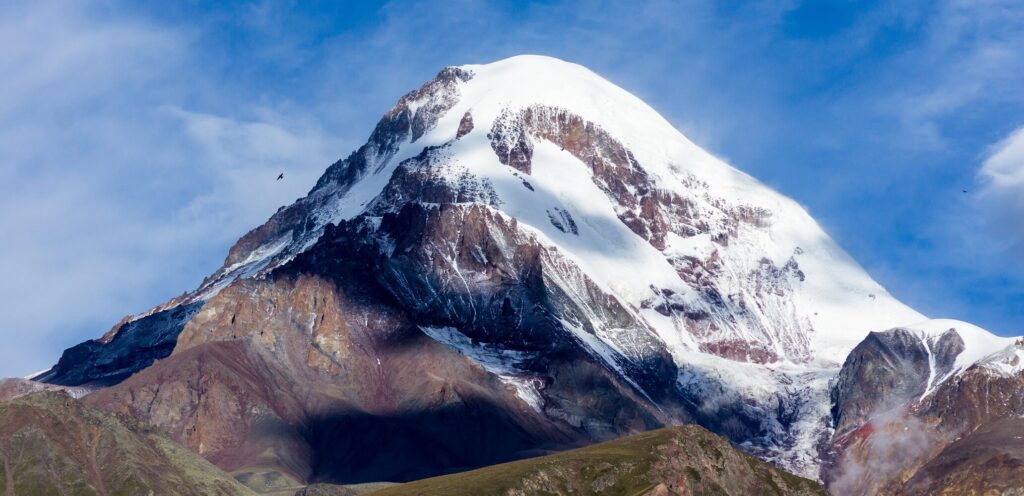
Climb Up Mount Kazbegi
Climbing up Mount Kazbegi – offers the perfect opportunity to witness and experience the Caucasus Mountains in their purest form. Snow-capped peaks in winter and summer have become a source of inspiration for many Trekking lovers .
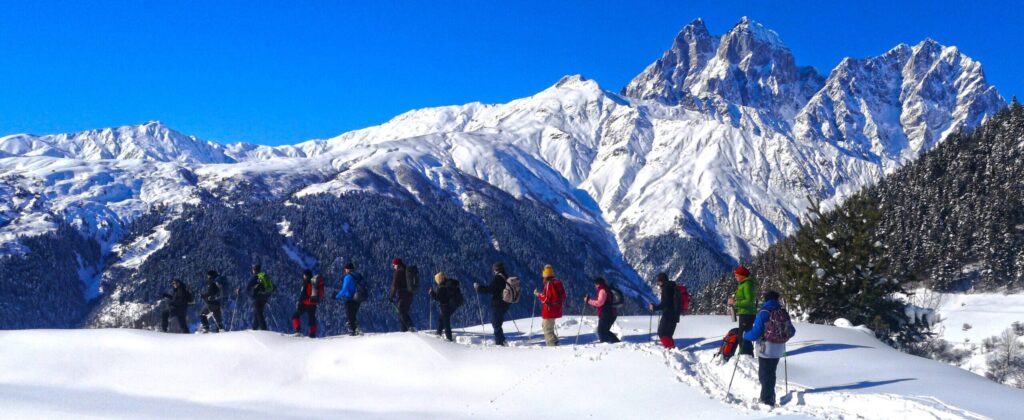
Snowshoe Tour in Georgia
Snowshoeing tour to mount Kazbegi and the amazing Svaneti area in Georgia is for you! Magical colors of winter with unspoiled landscapes and snow-capped Caucasus mountains surround to create a special atmosphere for an unforgettable trip. This tour fill us with positive emotions.
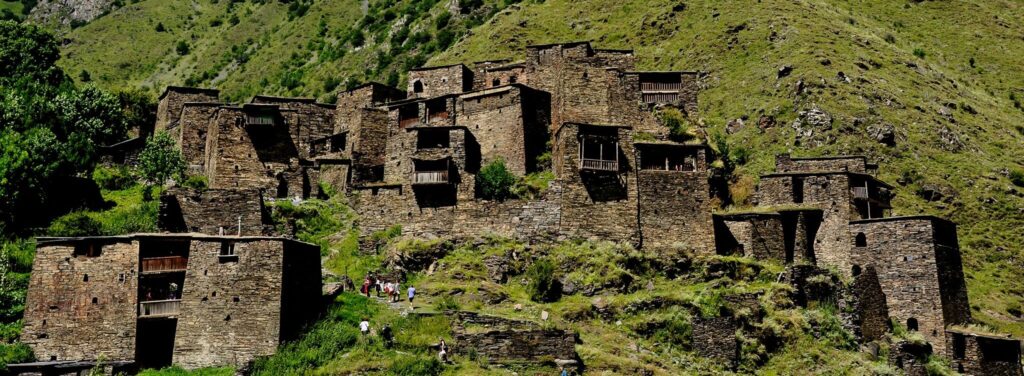
Hike Through the Caucasus
Hike through the Caucasus promises an unforgettable adventure. What makes this trail truly special is the eerie atmosphere and the feeling of stillness. This hike will fill you with special emotions and take you to the mystical mountains of Georgia.
Things To Know Before You Go Trekking To Georgia
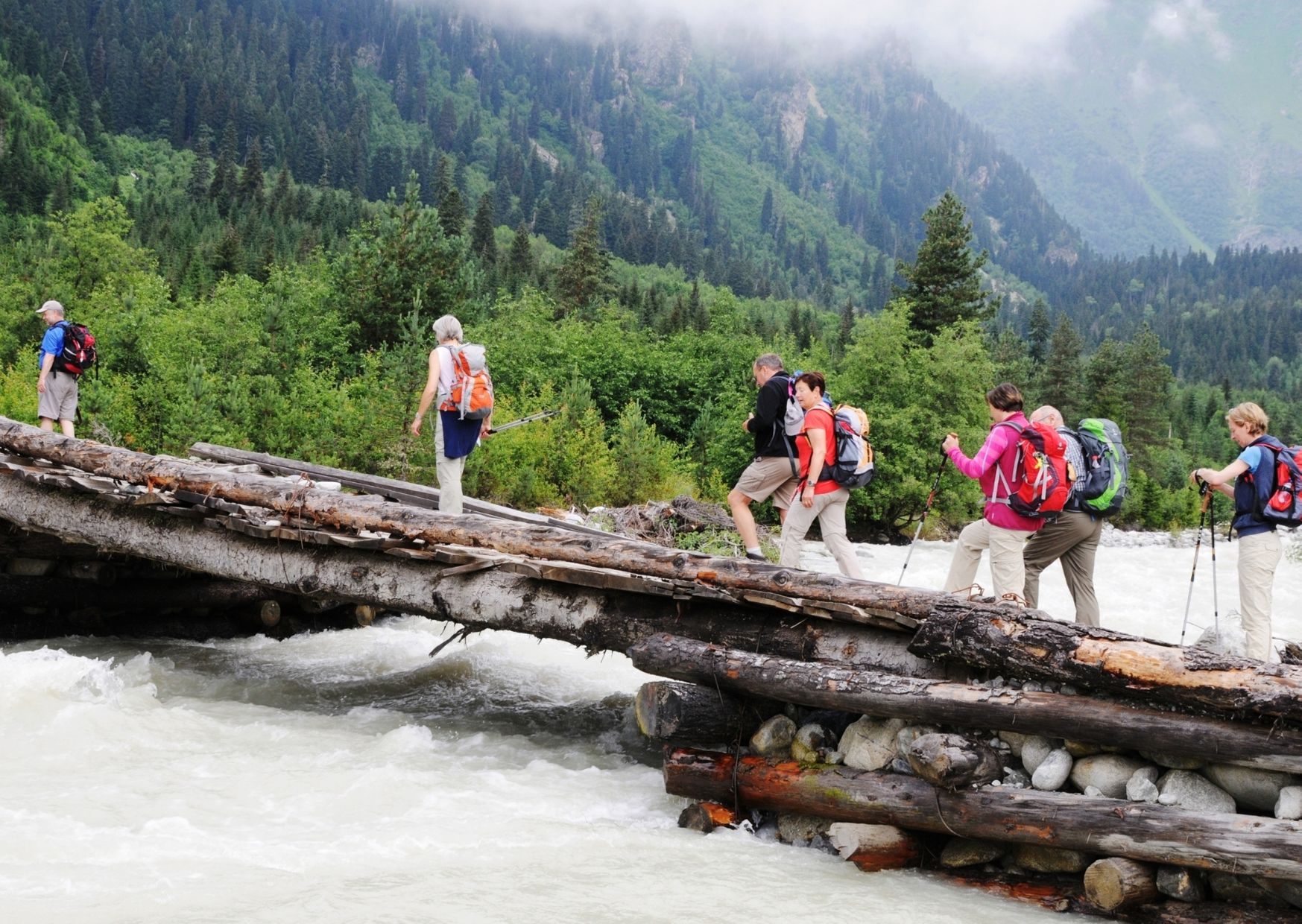
Discover Georgia’s Top Hiking and Trekking Adventures
Georgia is a dream destination for trekking and hiking enthusiasts, offering unforgettable journeys through the Caucasus Mountains, glaciers, alpine meadows and vibrant natural landscapes.
Even though Georgia is a small country, the Great Caucasus range offers vast, diverse experiences while each trekking region has its own character, scenery and culture.
Whether you enjoy a gentle walk through alpine meadows, a multi-day trek across high mountain passes or a challenging climb to Mount Kazbegi, each journey is led by competent local guides who ensure safety while helping you uncover hidden gems. Along the way, you can meet locals, explore glaciers, waterfalls, lakes and ancient towers while experiencing the authentic culture of Georgia’s mountains.
Top 5 personal items for trekking Georgia
- ZA pair of sunglasses
- ZLoads of sunscreen
- ZLip balm
- ZReusable water bottles
- ZHand sanitizer
What Is the Best Trekking Destination to Choose in Georgia?
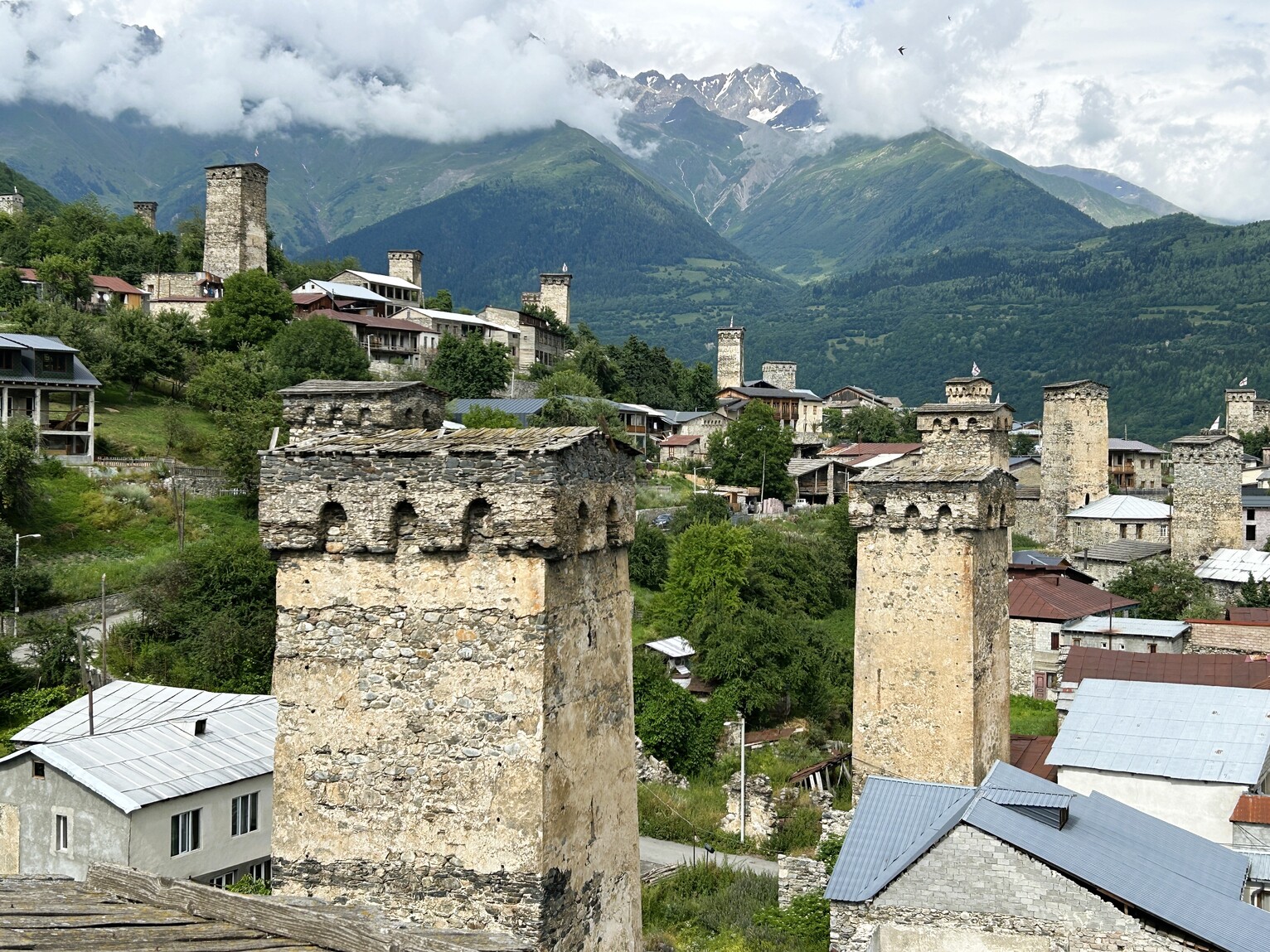
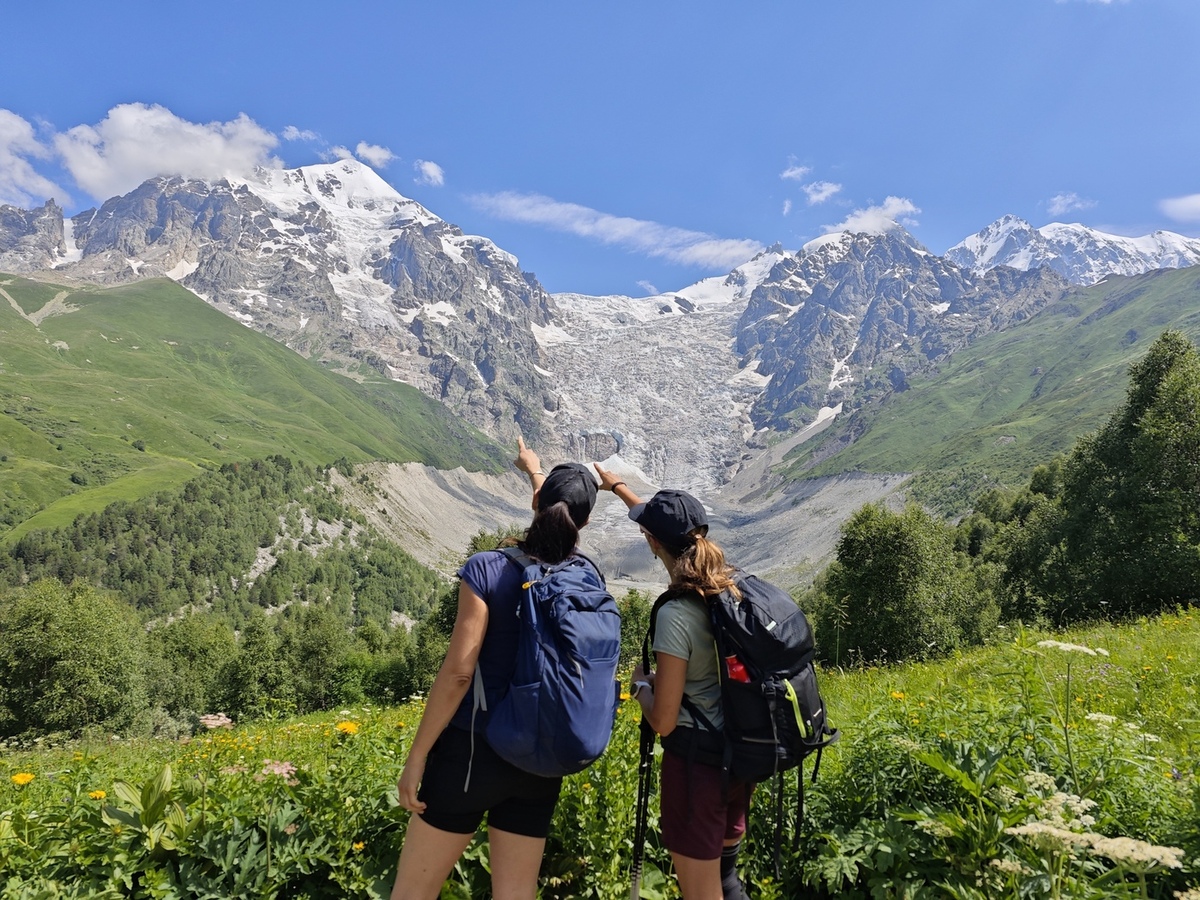
- Svaneti – Famous for majestic glaciers, high mountain passes, waterfalls, Lakes and ancient medieval towers; perfect for travelers who want iconic mountain scenery combined with cultural heritage, including views of Shkhara – the highest peak in Georgia and Ushba – the dramatic double-summit peak of the Caucasus. Trekking in Svaneti offers routes for everyone, from easy walks to challenging mountain hikes.
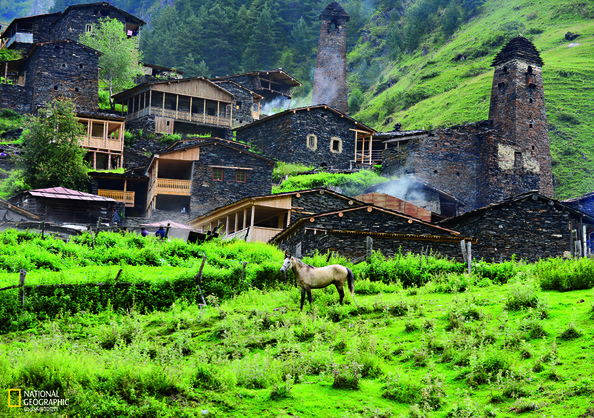
- Tusheti – A hidden ecosystem nestled among high mountains, with high alpine passes and traditional villages like Shenako, Diklo and Dartlo, ideal for those seeking authentic mountain life and adventure off the beaten path. Tusheti is a beautiful example of sustainable tourism in harmony with nature and local traditions.
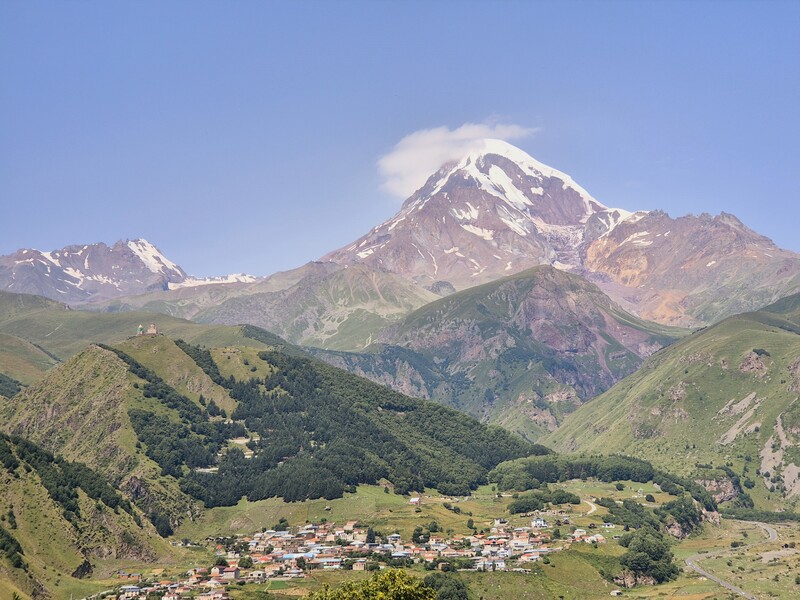
- Kazbegi – The most popular destination for trekking in Georgia, known for its dramatic trails, colorful valleys such as Truso Valley, Chaukhebi Mountain, and Sno Valley, as well as waterfalls and climbs to Mount Kazbegi, including views of the iconic Gergeti Trinity Church, offering stunning panoramas and accessible high-altitude trekking.
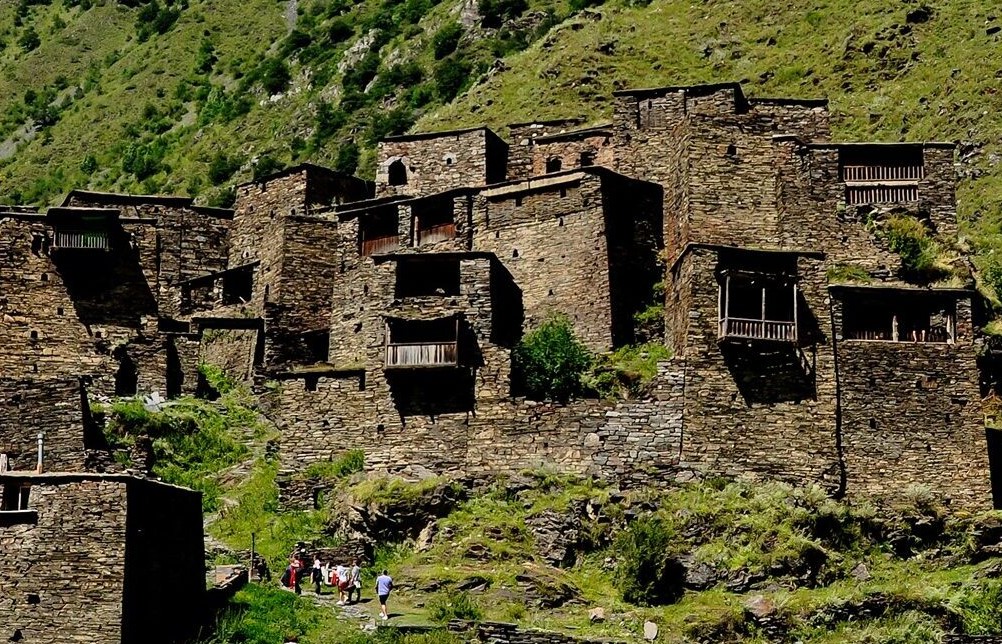
- Khevsureti – Characterized by wild, rugged mountains, hidden valleys and remote communities, including historic defense villages like Shatili and Mutso, perfect for travelers who want untouched landscapes and immersive cultural encounters.
Why Choose Travel Agency VisitGeorgia for Your Trekking Tour?
VisitGeorgia has been organizing trekking tours in Georgia since 2004, with nearly two decades of hands-on experience in the Caucasus Mountains. Over the years, we have built a strong team of local experts who are highly familiar with Georgia’s mountainous regions, know every hiking trail in detail and have completed international training with European companies.
Each trekking tour is led by experienced mountain guides and supported by a professional operations team that ensures seamless logistics, transportation and accommodation throughout the journey.
From remote Tusheti expeditions to classic Svaneti multi-day treks and Mount Kazbegi climbs, our tours offer authentic mountain experiences: uncover hidden villages, meet local communities, explore untouched landscapes and enjoy every hiking trail safely with the guidance of our expert local guides. With VisitGeorgia, you’re trekking with people who know the mountains and the culture inside out.
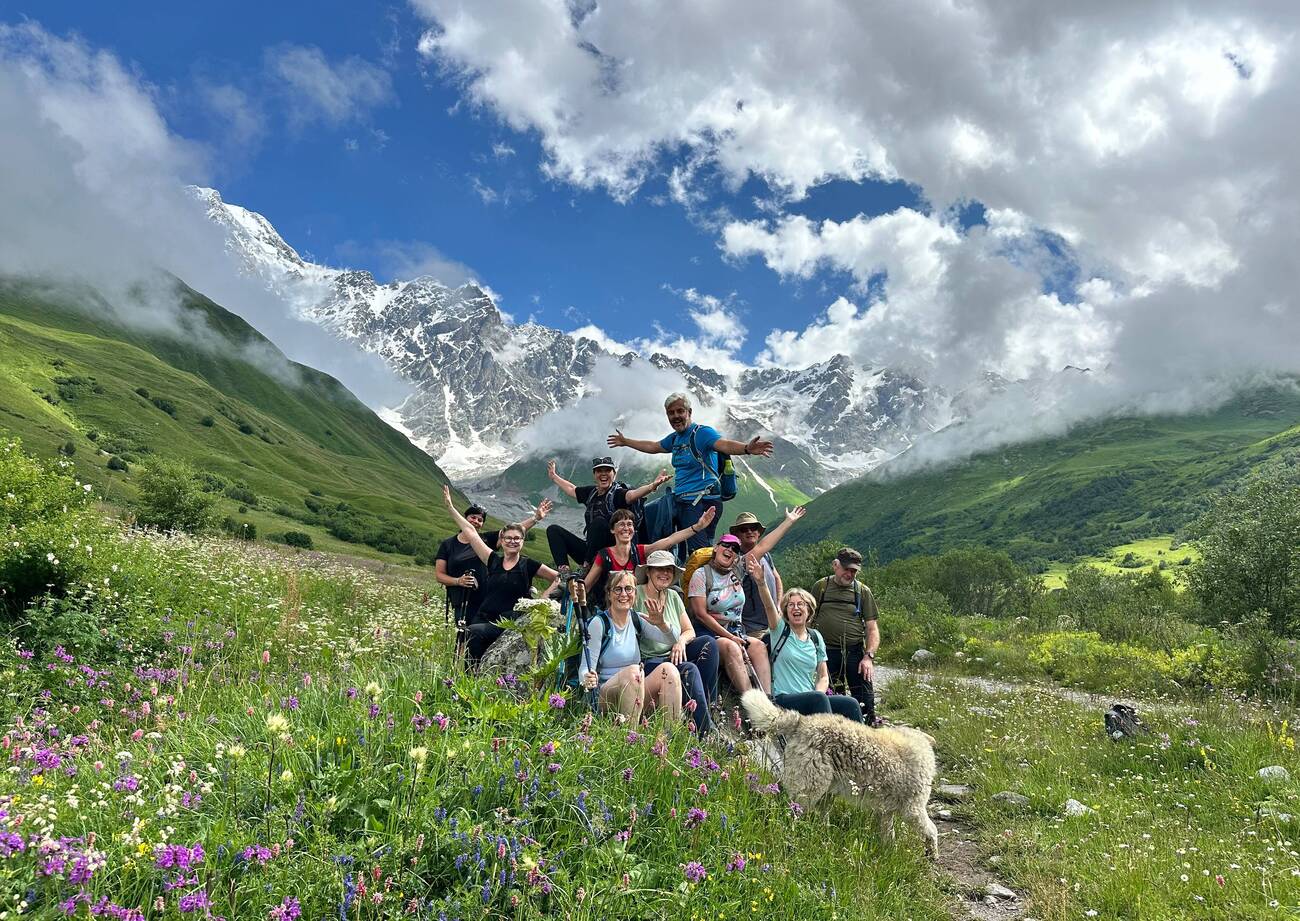
More than 30,000 trekking enthusiasts have joined our trekking tours in Georgia. Their recommendations continue to inspire hikers and adventure travelers to visit Georgia and explore spectacular mountains and hiking trails with VisitGeorgia.
What Type of Trekking Tours Do We Offer?
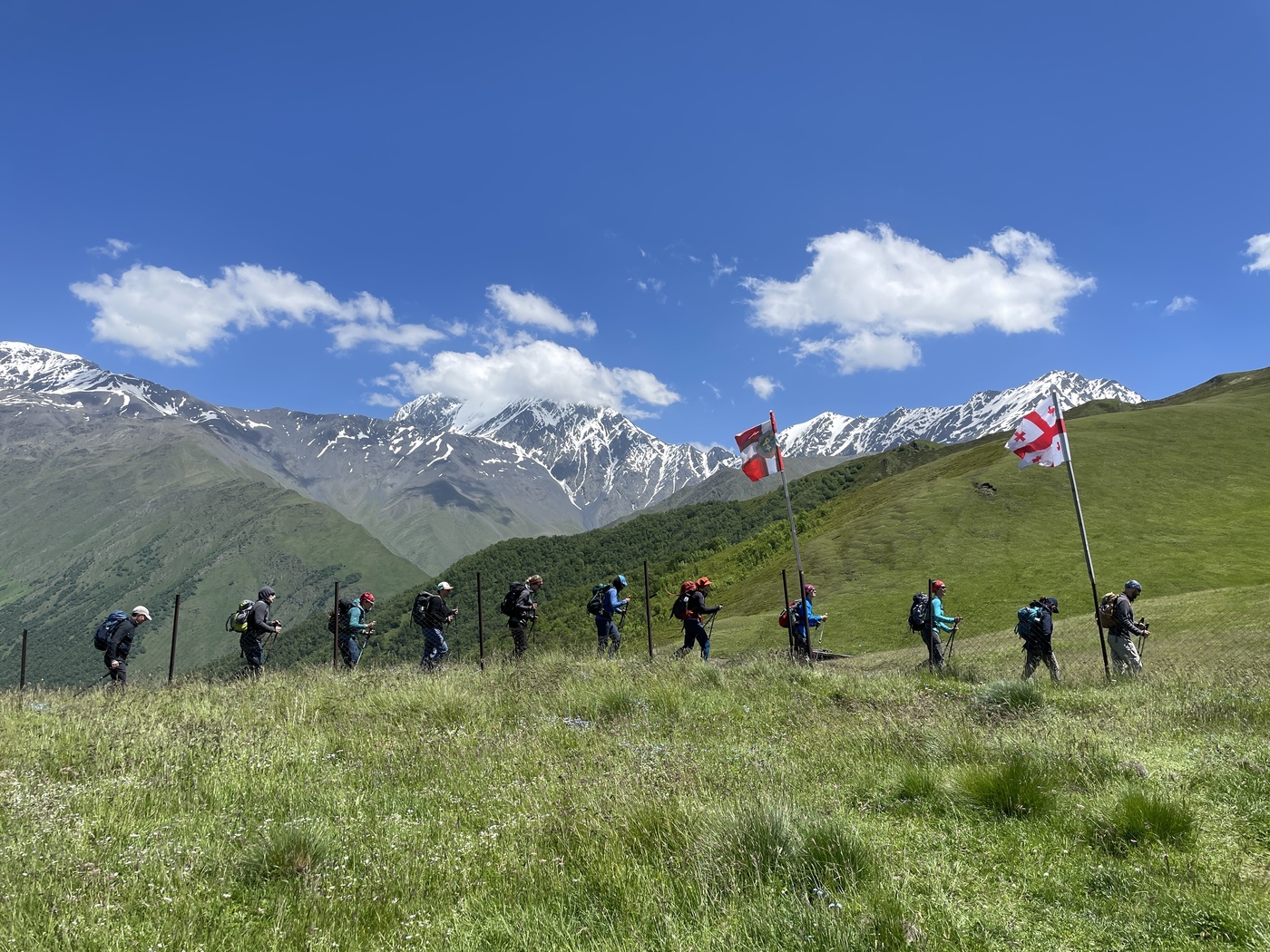
Our trekking tours explore the main hiking regions of the Caucasus Mountains, each with its own unique charm. With us, you can trek in Svaneti, Tusheti, Khevsureti, and Kazbegi, hiking through hidden villages, crossing rivers, walking rocky slopes, glaciers, green meadows and discovering medieval fortresses and towers. Camp in green meadows or under majestic peaks, enjoy breathtaking views, and experience nights under the Milky Way while meeting locals and learning their traditions.
Whether it’s one-day trekking tours, multi-day adventures from village to village with stays among locals, or wild nature trekking, we offer a wide variety of experiences.
In winter, try our snowshoe tours for a magical trek through snowy landscapes.
When is the best time to visit Georgia for trekking?
Trekking is best enjoyed in Georgia in late spring and early summer. Before this, traveling to the mountains can be made difficult by melting snow and occasional landslides, while from late July the summer can be very hot. Each trekking trail is different though, and winter offers other options, such as skiing and snowshoeing.
If you want to do some serious multiday trekking, you should wait till late June – nature is at its best, and everything is green and blooming. However, there is a price – May and June are the rainiest months of the year.
In July and August weather becomes more stable and dry – this period is considered to be a “high season” for trekking. Good conditions usually persist for most of September, then become gradually worse.
What to wear for trekking Georgia?
To make your trekking experience more enjoyable and stress-free is always useful to plan ahead not only your clothing but what to pack for a hike. Trekking is one of the best adventures out there to enjoy time away from the chaos of the city, get some fresh air, and expand your limits. But, don’t expect nature to embrace you with warmth and comfort. If you are not prepared to resist its hurdles, you will be heading home sooner than you ought to.
Trekking Pants - Shorts - Leggings
For trekking pants, you need to pay attention to fit, comfort, durability, and breathability. Convertible pants are a great option as they are flexible.
For long hikes, you’ll also want to bring rain pants. Or check how much heavy rain your plants can sustain. In any case, I always bring my rain pants and this is probably one of my best tips for hiking in the rain. On multi-day hikes, you also need to bring spare leggings just in case.
T-shirts - Insulating jacket - Waterproof jackets
When you go trekking be sure to bring long/short-sleeved t-shirts or a shirt to keep you comfortably warm. SPF protective t-shirts can save you loads of pain.
As for the trekking jackets, pick a jacket that won’t give away to the cold weather. It can be made from wool, down, or other synthetics. Insulation won’t work if your jackets get wet, especially if it’s your own material. So, cover it with a light/thick water-resistant jacket.
Trekking Hat - Cap - Beanie
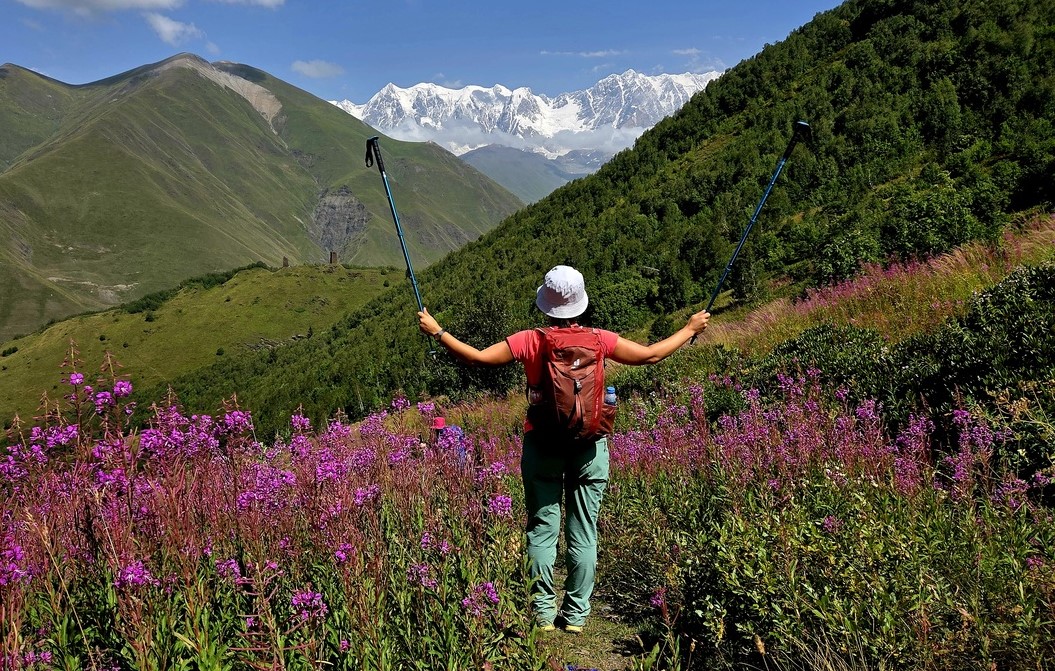
In addition, to properly fit footgear such as boots or trekking shoes, your sock choice is important. When choosing the appropriate socks, I look for specific characteristics to help prevent foot injuries. An ideal sock has moisture-wicking capabilities, fits snuggly, and should not have large seams or harsh pressure points. The best moisture-wicking materials include synthetic materials or wool. It is best to avoid cotton.
Trekking shoes/boots
When planning a hike, properly fitted boots or trekking shoes are the first line of defense against foot and ankle injuries that may include: blisters, sprains, and fractures. It has been estimated that roughly 60% of people have different sized feet, so when shopping for proper hiking gear, always fit for the larger one.
What to wear trekking in summer ?
Ideally, summer requires light, loose-fitting clothing. Also, choose lighter shades as they reflect heat rather than absorb it like darker ones.
The best fabrics for summer hiking are wool, polyester, and nylon, as they absorb sweat and dry faster. These moisture-wicking fabrics prevent skin conditions like dermatitis, which can cause skin irritation and itching.
Cotton and linen are other options when trekking in moderately warm conditions. But keep in mind that cotton can easily be your enemy while trekking.
While it’s tempting to wear shorts and sleeveless tops, they’re not great for hiking. You should be prepared to spend a few hours outdoors, which means you will be exposed to the sun easily. Not only does your skin become dry, burnt, and blotchy, but it’s also vulnerable to UV rays.
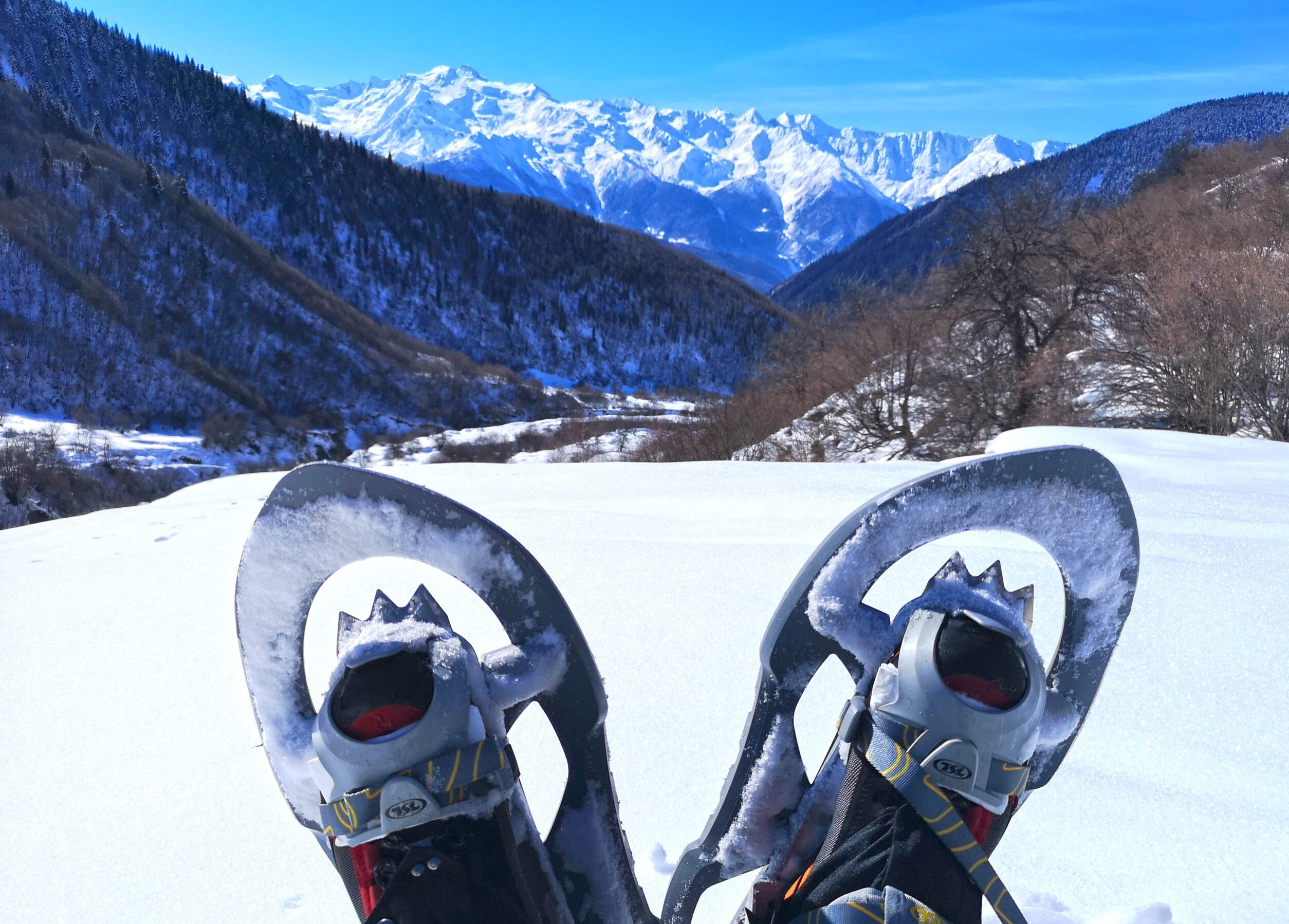
What to wear trekking in winter ?
Layer your clothes like an onion when trekking in winter! It is important to capture the heat emitted by the body to provide the necessary insulation and warmth. Wearing extra layers in winter can also help control your body temperature.
So what is involved in this layering technique? Layers include base layers, intermediate layers, and outer layers.
The bottom layer consists of intimate clothing or underwear. The purpose is to keep sweat away from the body. In winter, choose underwear that is long, fitted (not tight-fitting), and most importantly, moisture-wicking.
Even if you cherish your trusty naive cotton shorts, you know they can hurt you by wicking your sweat and keeping you cold! So, as a rule of thumb, avoid cotton fabrics when considering what to wear on a winter hike. Choose synthetic fibers like polyester or natural fabrics like wool.

29 Years of Trust
More than 350 partners worldwide chooses VisitGeorgia.

Responsible Company
Making better places for people to live in and better places for people to visit.

Variety of Tours
From cultural to adventurous, we have something for everyone.